What Employers Must Know About California Bathroom Laws
California employers have a responsibility to provide workers with sanitary, accessible restroom facilities during the workday. However, meeting that responsibility involves more than placing a restroom somewhere on the property and assuming the job is complete. The number of employees, type of workplace, work location, and available plumbing can all affect an employer’s restroom setup. Understanding the basic requirements helps businesses create a more comfortable workplace while avoiding preventable compliance problems. Affordable Porta Potty elaborates on what employers must know about California bathroom laws and how to apply them.
California Employers Must Provide Adequate Restroom Access
California workplace sanitation rules establish minimum restroom requirements for employers across a wide range of industries. In general industry workplaces, the required number of toilets increases according to the number of employees, beginning with one water closet for workplaces with 1 to 15 employees. Employers must also make restroom facilities accessible to workers whenever they need to use them. Companies should evaluate their workforce and facility arrangement instead of relying on assumptions about how many restrooms seem sufficient.
Accessibility matters just as much as the number of available facilities. Cal/OSHA states that general-industry toilet facilities should, where practicable, sit within 200 feet of areas where employees regularly work. Employers also need to keep facilities clean and in good working condition throughout their use. A restroom that exists but remains inaccessible, unsanitary, or unusable does little to satisfy employees’ sanitation needs.
Construction Sites Follow Specific Requirements
Construction employers need to pay particularly close attention because temporary jobsites often lack permanent plumbing. California regulations require at least one separate toilet facility for every 20 employees, or fraction thereof, of each sex at construction jobsites. An exception applies when fewer than five employees work at the site, where one qualifying single-user all-gender facility can suffice. Temporary field conditions must have at least one available toilet.
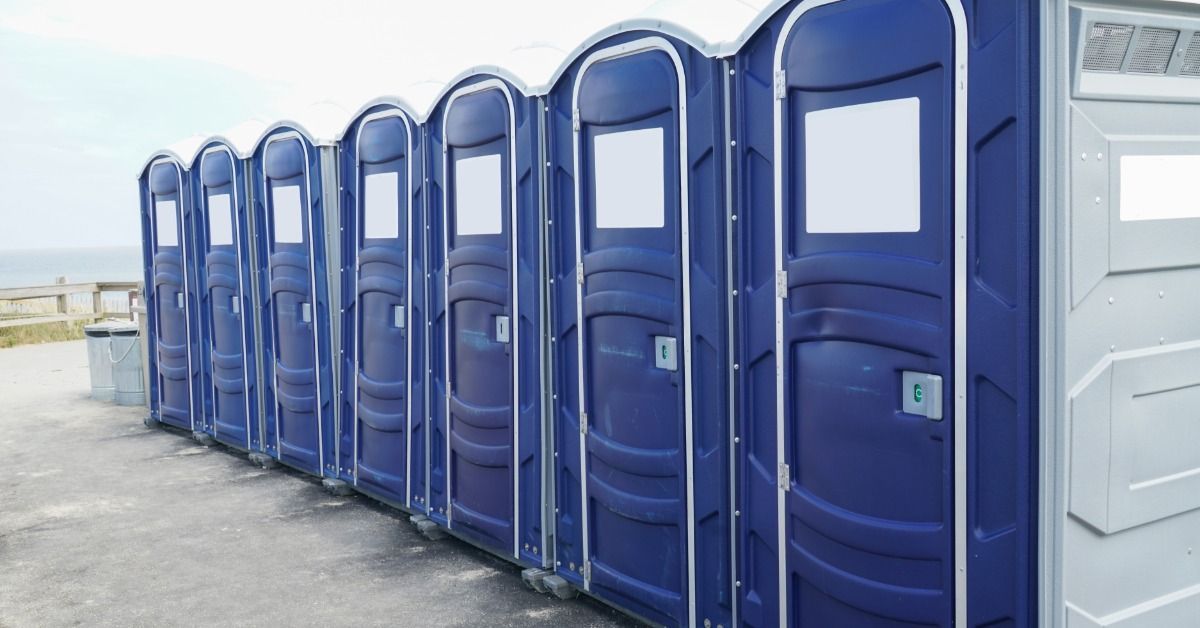
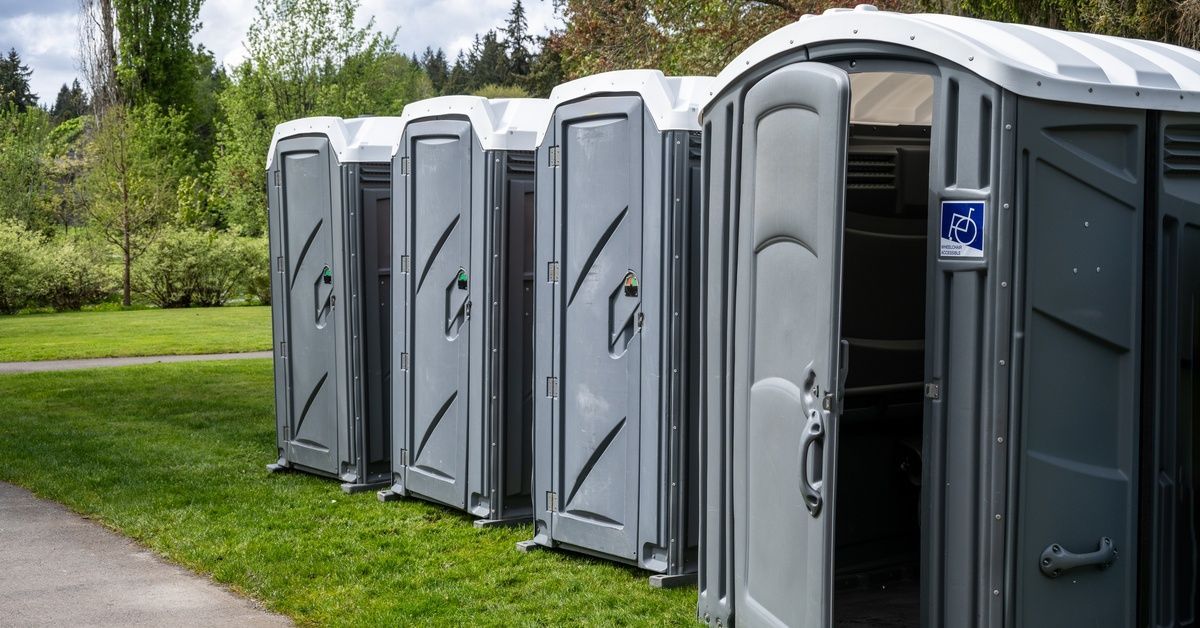
Employers can use certain non-water disposal facilities when a sanitary sewer or adequate water supply makes conventional water closets impractical. Depending on applicable local rules, those options can include chemical toilets and other approved systems. This flexibility makes portable facilities particularly valuable for construction projects, temporary worksites, and locations undergoing development. Employers still need to make sure every unit provides privacy, toilet paper, cleanliness, and reliable operation.
Know When Urinals Can Supplement Toilets
Employers may have more flexibility than they realize when planning restroom capacity for a predominantly male workforce. California regulations allow urinals to substitute for some required water closets under specified conditions, although employers cannot eliminate required toilets entirely. Construction regulations likewise allow facilities to include toilets and urinals while setting a minimum number of toilets. Businesses should therefore calculate their actual requirements before deciding how to configure rented units.
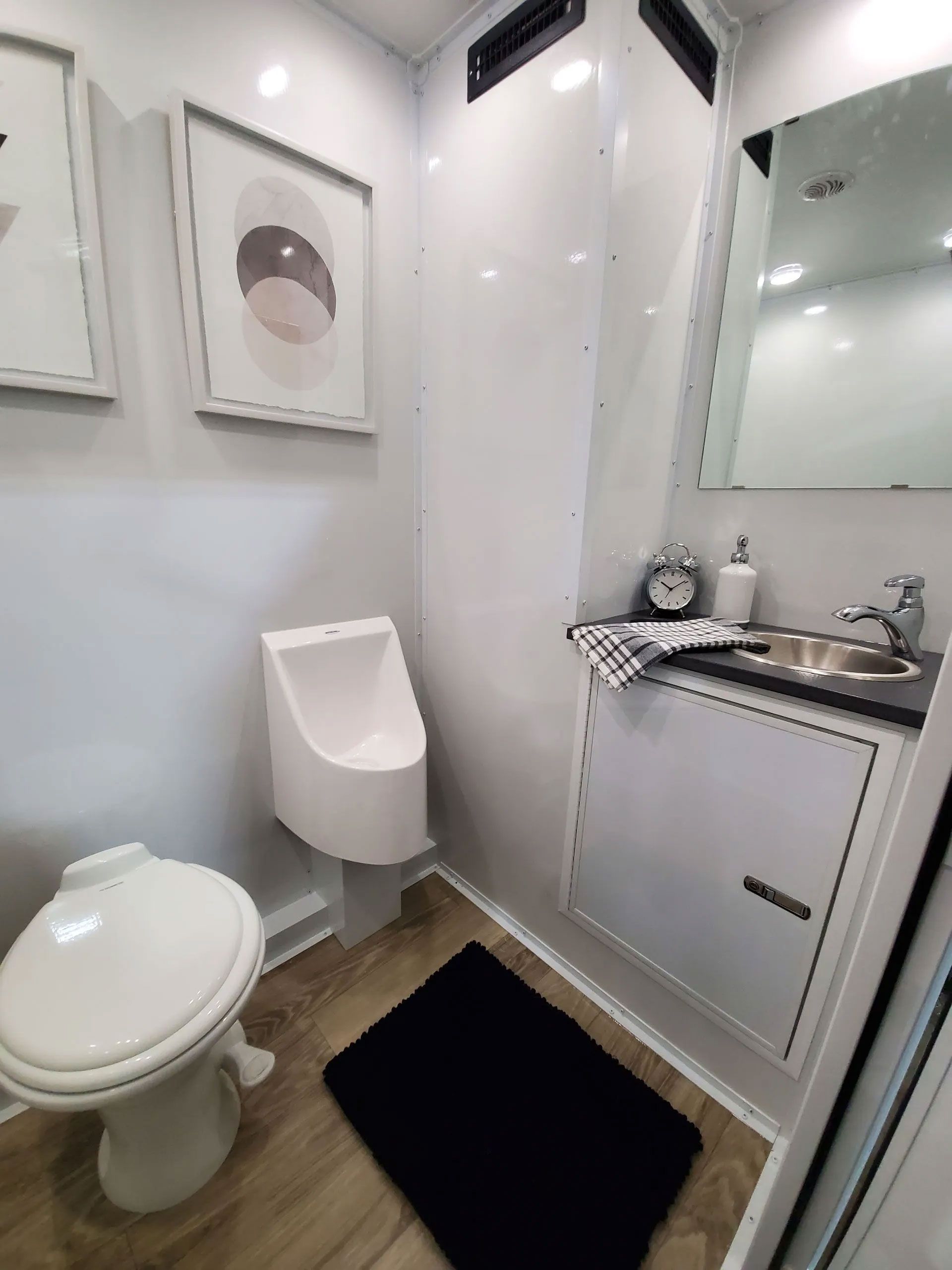
A portable toilet urinal can accommodate higher restroom traffic at construction projects, outdoor work areas, and other temporary locations. Adding urinal capacity may reduce lines and keep standard toilet units available for employees who need them. Employers should view these units as part of a complete sanitation plan rather than an automatic replacement for required toilets. A rental provider can also determine which unit mix suits the workforce and physical site.
Don’t Overlook Handwashing Facilities
Restroom compliance doesn’t stop at toilet access. California requires washing facilities in places of employment, and construction regulations establish additional requirements for washing stations. Construction jobsites generally need at least one washing station for every 20 employees or fraction thereof. Workers must have ready access to appropriate water, cleansing agents, and a means of drying their hands.
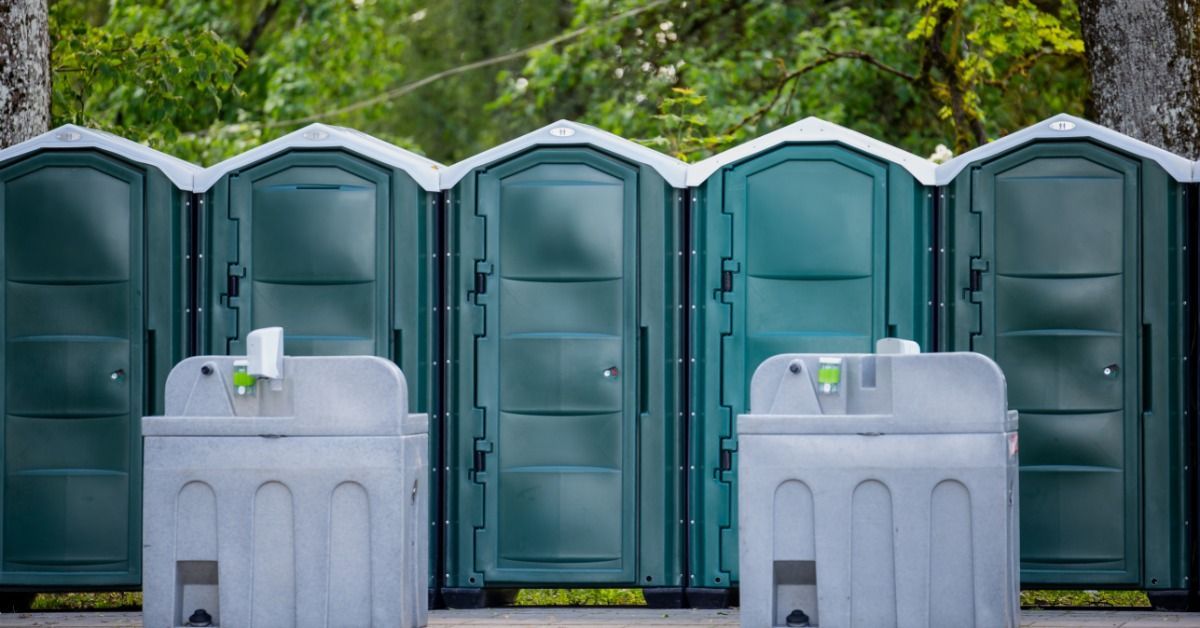
Placement deserves consideration when employers use portable toilets and handwashing stations together. Construction washing facilities must allow employees to readily wash after using a toilet, and specific placement rules apply when non-water toilets serve the site. Employers should account for these requirements when planning the layout before workers arrive. Thoughtful placement also encourages regular handwashing and makes sanitation facilities easier to use throughout a shift.
Keep Every Facility Clean and Serviceable
A portable restroom cannot simply arrive on day one and remain untouched until a project ends. Usage levels, weather, project duration, and the number of employees can influence how frequently units need service. Employers should arrange a service schedule that keeps toilets sanitary, stocked, and functional. High-use sites may require more frequent attention than a simple baseline schedule provides.
Watch for conditions that signal a need for additional service or capacity. Problems often become obvious during peak work periods, especially when a project adds workers or extends its schedule. Employers and site managers should routinely check whether facilities continue to meet workforce needs. Important considerations include the following facets:
- Cleanliness and odor control inside each unit
- Adequate toilet paper and handwashing supplies
- Safe, convenient access throughout the workday
- Enough capacity for the current workforce
- Stable placement on an appropriate surface
- Prompt servicing when usage unexpectedly increases
Plan for Changes in Workforce Size
Workforce numbers rarely remain identical throughout a construction project or large temporary operation. A site may start with a small crew before subcontractors, specialists, and other workers arrive during busier phases. Employers should reassess restroom capacity whenever staffing changes significantly. Waiting until lines develop can leave workers frustrated and make sanitation management unnecessarily difficult.
Advance planning becomes especially important when a business expects a rapid increase in onsite personnel. Ordering additional units before a major project phase can provide capacity as soon as the larger crew arrives. Employers should also consider where workers will actually perform their duties instead of clustering every restroom in one inconvenient area. Practical access helps employees use facilities without unnecessary disruption to their work.
Consider Employees When Choosing Locations
Compliance establishes a baseline, but practical placement determines whether restroom facilities work well day to day. Units should sit on stable, accessible ground without interfering with vehicles, equipment, or important work zones. Service trucks also need sufficient access to maintain rented units safely and efficiently. A good location balances employee convenience with the logistical needs of the site.
Employers should reconsider placement as site conditions change. Construction staging, fencing, equipment, or temporary structures can turn an originally convenient location into an obstacle later. Periodic site reviews allow managers to identify these issues before they become persistent problems. Employees benefit when restroom planning evolves alongside the workplace.
Build a Restroom Plan Around the Actual Jobsite
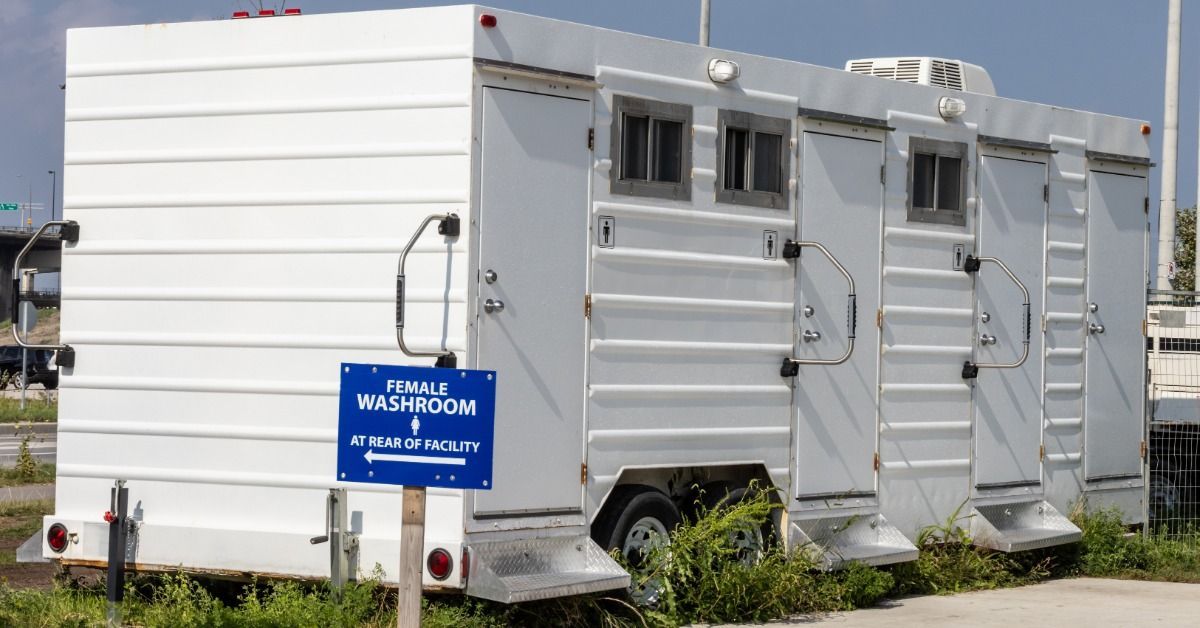
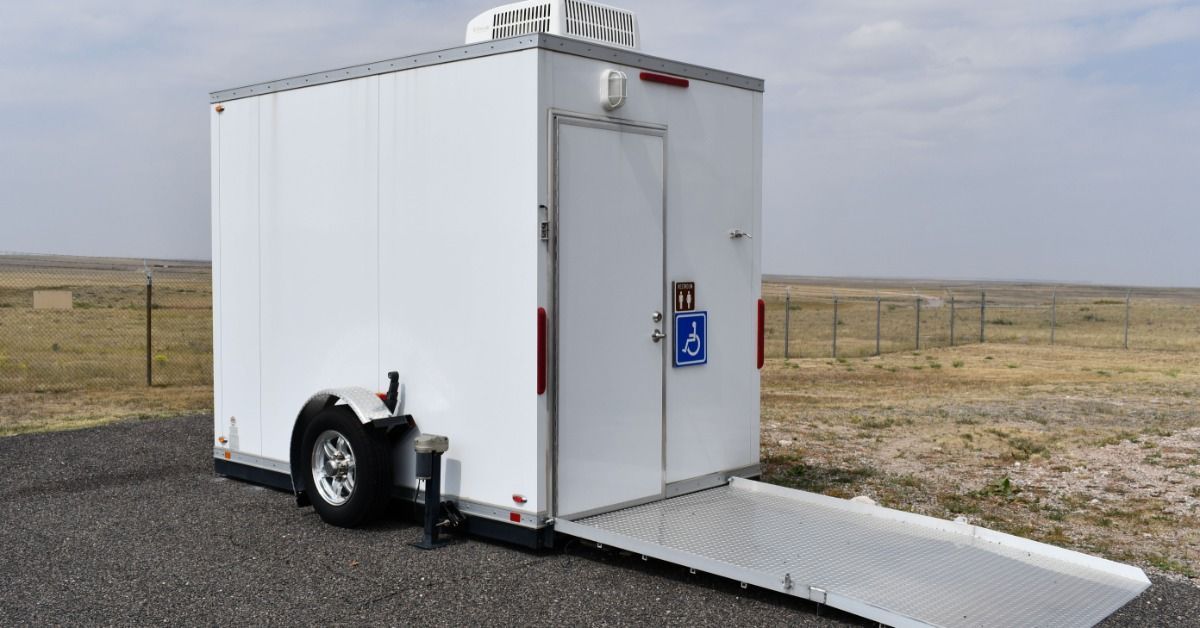
Affordable Porta Potty provides portable restroom and handwashing rentals for California worksites, events, and other temporary needs. Available options range from straightforward portable toilets to restroom trailers for sites that need a more upgraded experience. Businesses can choose facilities according to their workforce, expected usage, site conditions, and project duration. Contact Affordable Porta Potty to discuss a rental arrangement that supports a cleaner and more convenient workplace. For more questions regarding California bathroom laws and what employers must know , let our team know how we can help.